Red Hill Gardening Society 2026 Diary
This is a new approach, replacing our Newsletter. The plan is to add to this page as the year goes on, and to send several email reminders of the new information that’s been added during the year. The informaiton will be in chronological order, adding new events as they occur. However, it gives us the flexibility to add pieces later should we think interesting, and it means we don’t need to wait for a newsletter deadline to add new content. We hope this works well for us all.
(Just ignore that this actually starts at the end of 2025!)
Lions Red Hill Christmas Tree Festival
The Lions Red Hill Christmas Tree Festival was a happy, successful event, perfectly integrated with the Red Hill Community Market!
The Red Hill Garden Society (RHGS) was noted for winning the most votes for their tree!
RHGS also helped by selling raffle tickets for the Lions. Thank you to all our volunteers: Dennis, Lee, Jenny, Donna, Ann, and Christine
Lee Carmody
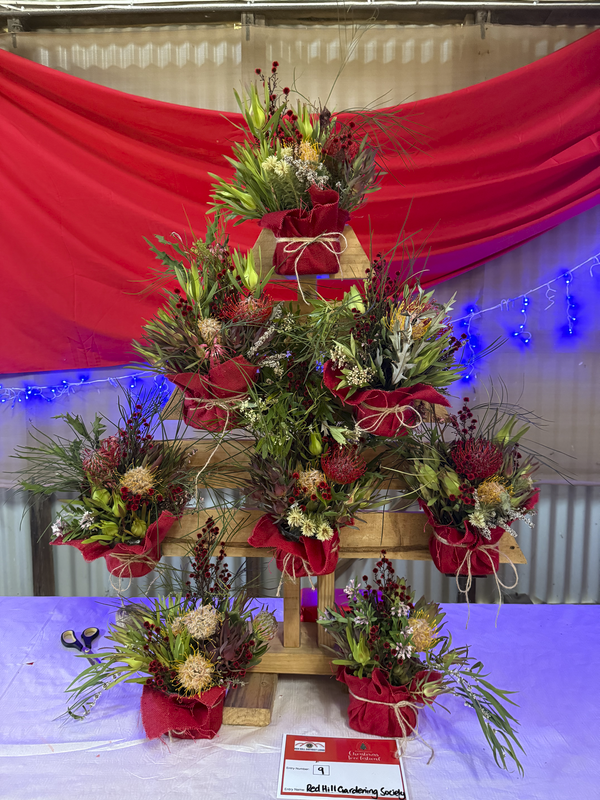
Winning tree
The winning tree, made from a recycled pallet (thanks to Dennis McIlroy), was decorated with Lee Carmody’s stunning native flower arrangements. These arrangements have already gone on to be reused yet another time at the Red Hill Consolidated School graduation!

Donna Siriani
Handmade elves
Donna entered a charming twig tree featuring lovingly knitted gingerbread elves.
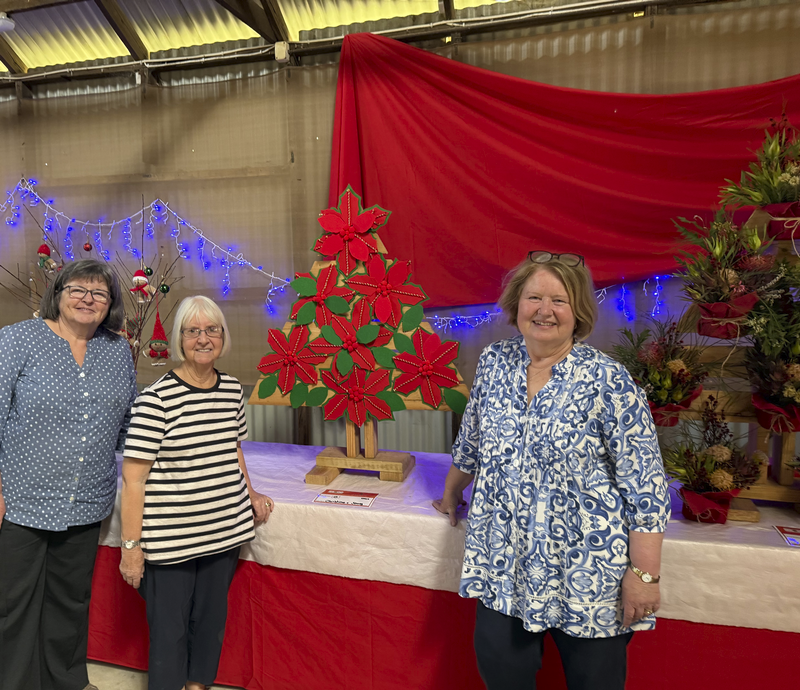
Jenny & Christine
felt poinsettias
Another RHGS pallet tree was cheerfully adorned with recycled felt poinsettias by Jenny and Christine.
A COMMEMORATIVE TREE PLANTED AT RED HILL HALL
12 December 2025
To commemorate the Centenary of the Red Hill Hall in Mechanics Road, a Willow Myrtle (Agonis Flexuosa) was planted at the back of the Hall, on the 12.12.2025.
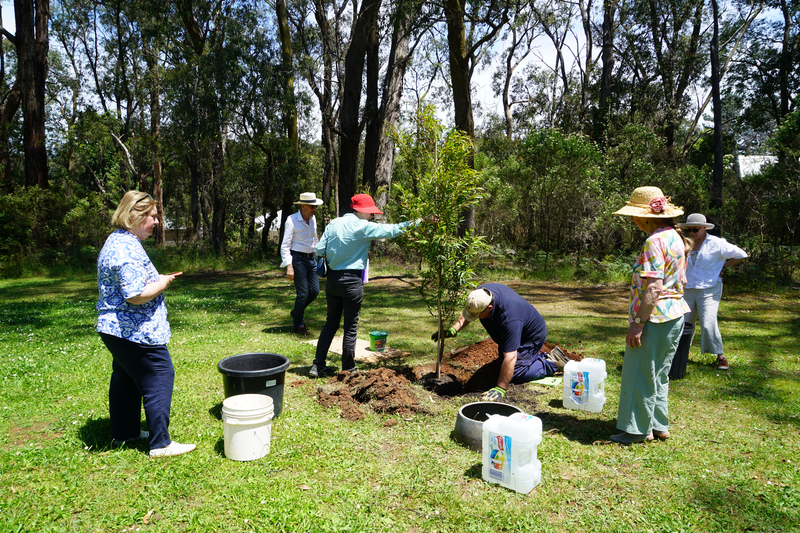
Members of the Red Hill Gardening Society participated along with Kerry Watson and Julian Newcomb from the Red Hill Community Association.
On the afternoon of the 11.12.2025, Liam Donnelly carefully navigated the digging of the hole in accordance with the MP Council permit, under the expert guidance of Joe Sirianni.
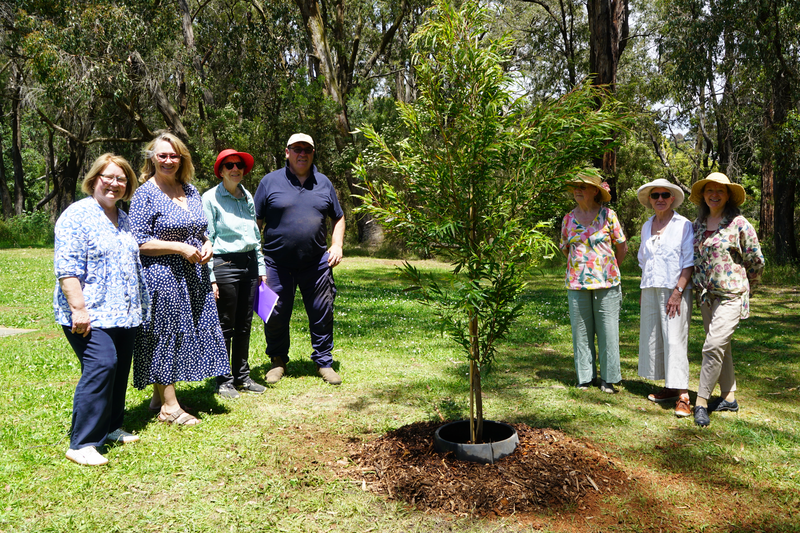
At the time of planting, the tree was approximately 4 years old and 2.4 metres tall. When fully grown, we can expect it to reach up to 12 metres in height and 10 metres in width. Its sister tree, planted in the Red Hill Hall car park in 1997 (to commemorate the 50th Anniversary of the Red Hill Gardening Society), is what we can expect this tree to look like in 2054.
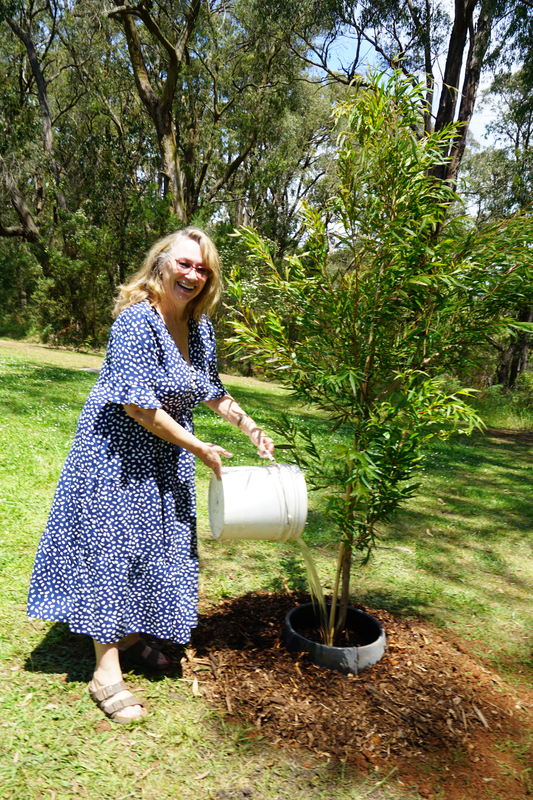
Its growth is symbolic of the continued hive of activity at the Red Hill Hall and the ongoing prosperity of the community who utilise and nurture it.
The Willow Myrtle was kindly donated by John Fitzgibbon from Metro Trees, who is a member of the Red Hill Garden Society.
History of the Red Hill Hall
Deb Collett
Member of the RHGS since October 2005
The Red Hill Gardening Society (RHGS) has used the Red Hill Hall for meetings from at least 1948, maybe even as early as 1946. The monthly meetings, which for many years in the early 2000’s were held on a Friday afternoon before swapping to the current Friday morning slot, have all been held in the hall which has been a constant fixture for the society.
The monthly meetings include guest speakers and a chance for members to share what is growing in their garden and to pick up something new from the trading table. We have hosted such horticultural celebrities as Jane Edmonson and John Patrick from Gardening Australia. For many years a mini-show would be held at each meeting with members gaining points for each first, second and third placing. These points would all be tallied up at the end of the year and a prize awarded to the most successful members.
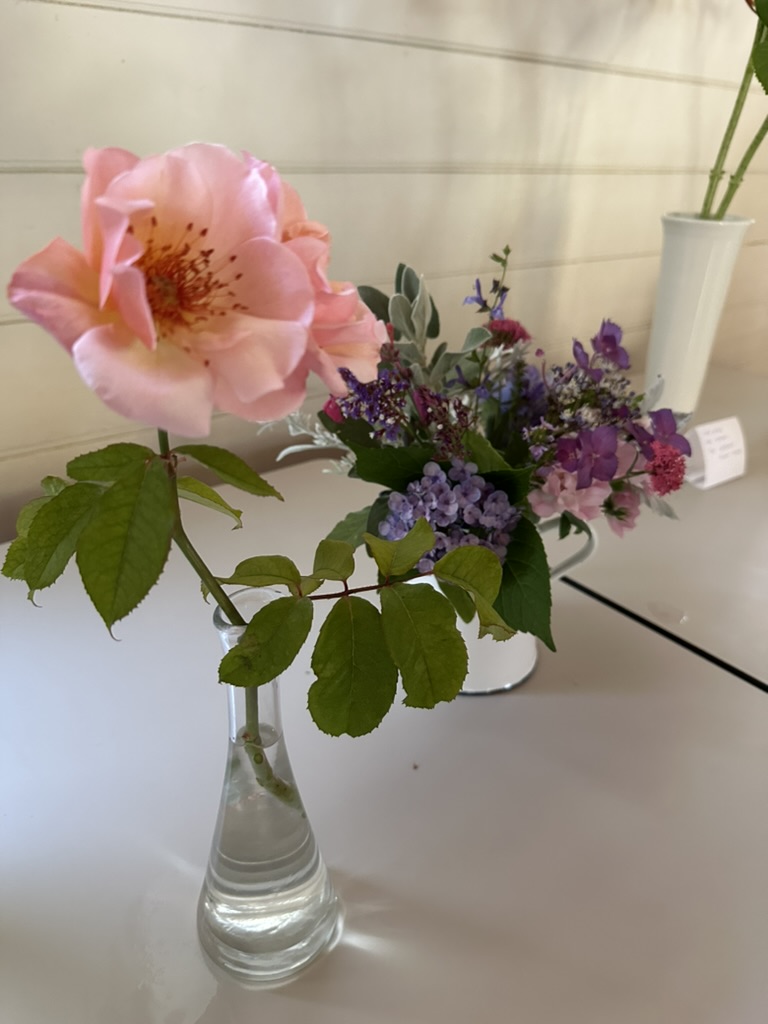
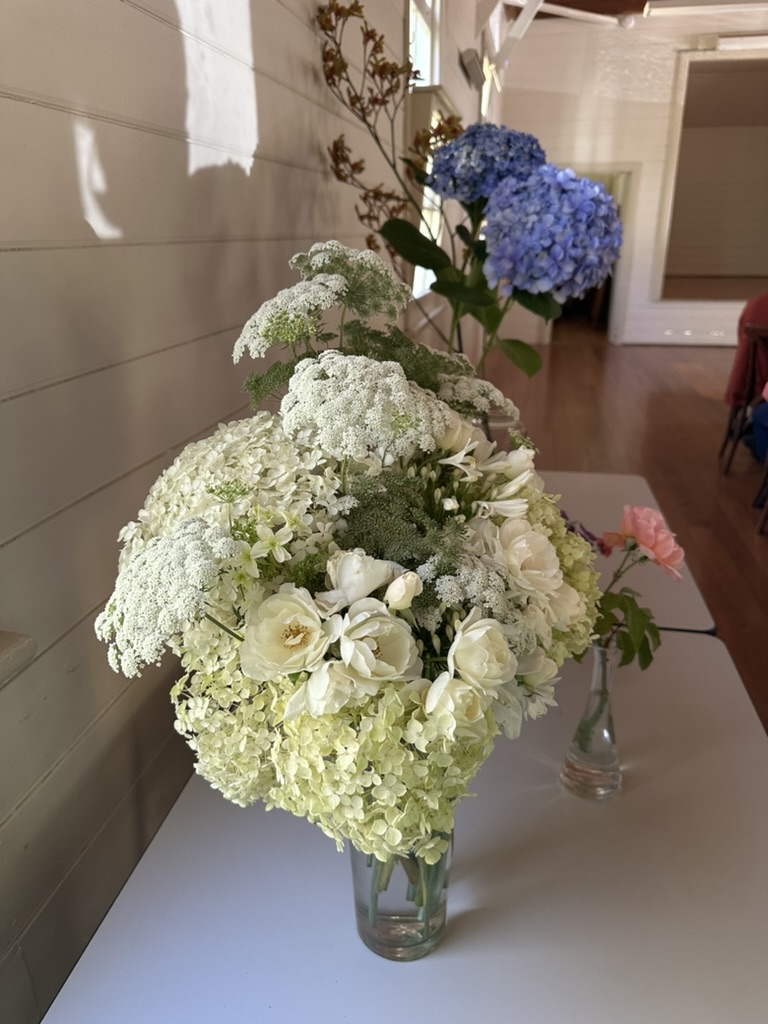
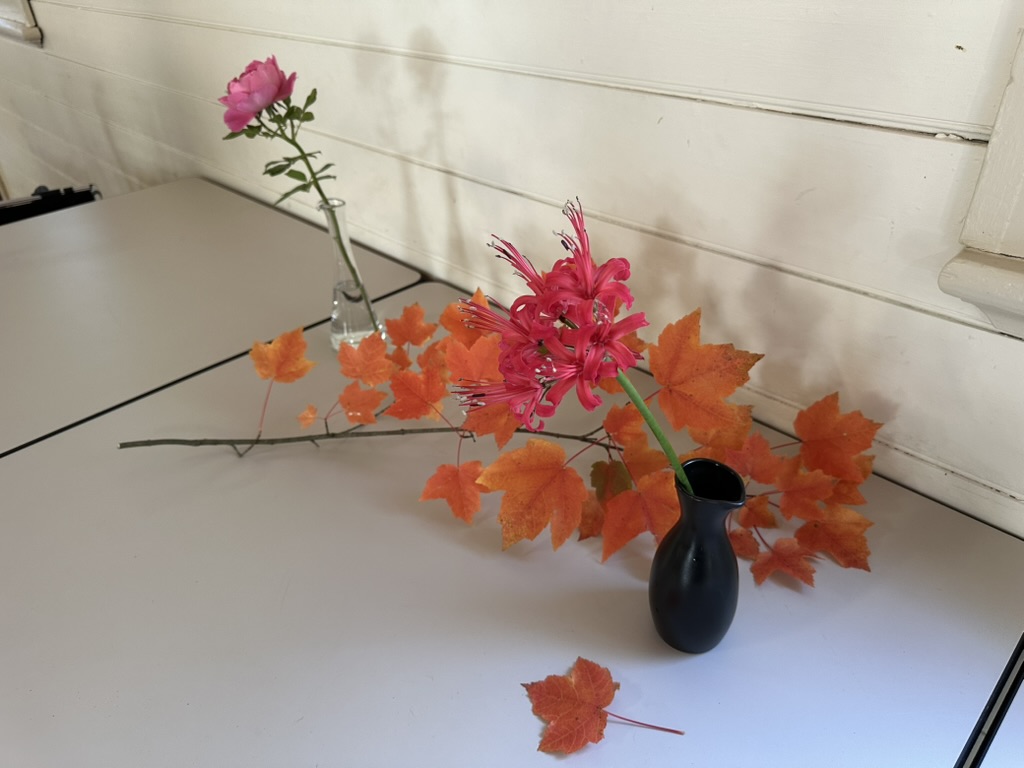
The concept of showcasing what is blooming in your garden continues today but without the competitive element. The rustic wooden walls of the hall provide a rather special backdrop to the fresh floral treats that our members share.
For years a highlight of the society was the annual Spring and Autumn Flower shows. These one-day shows held in March and September were a chance for the wider community and visitors to the Peninsula to see lots of wonderful floral displays, exhibits of vegetables and pot plants too. These shows meant that the regular Saturday hall users, such as the ballet classes would need to relocate to the Red Hill school for the weekend. It was often quite comical to experience the parents, looking to drop their children to ballet, reactions when they walked into the floral wonderland that had been created in the hall for the show.
Over the years the show made subtle modifications to the hall to allow the hanging of black backgrounds, extra lighting and the bi-annual installation of the beautiful mural that children from Red Hill Consolidated School painted for the RHGS. These modifications can still be seen by the observant.The last show, in the spring of 2011, utilised these modifications and the custom built benches of the society to fill the hall with horticultural beauty.
Much as the society loves the hall, we have always had a winter recess, partly in deference to the cold conditions on the hill but also in light that many members would be travelling to warmer climes over the winter months. The hall continues to be the foundation of the RHGS being the repository of our physical belongings and our always increasing memories of events, friends, speakers and garden wonders. Long may the hall and the RHGS continue to flourish.
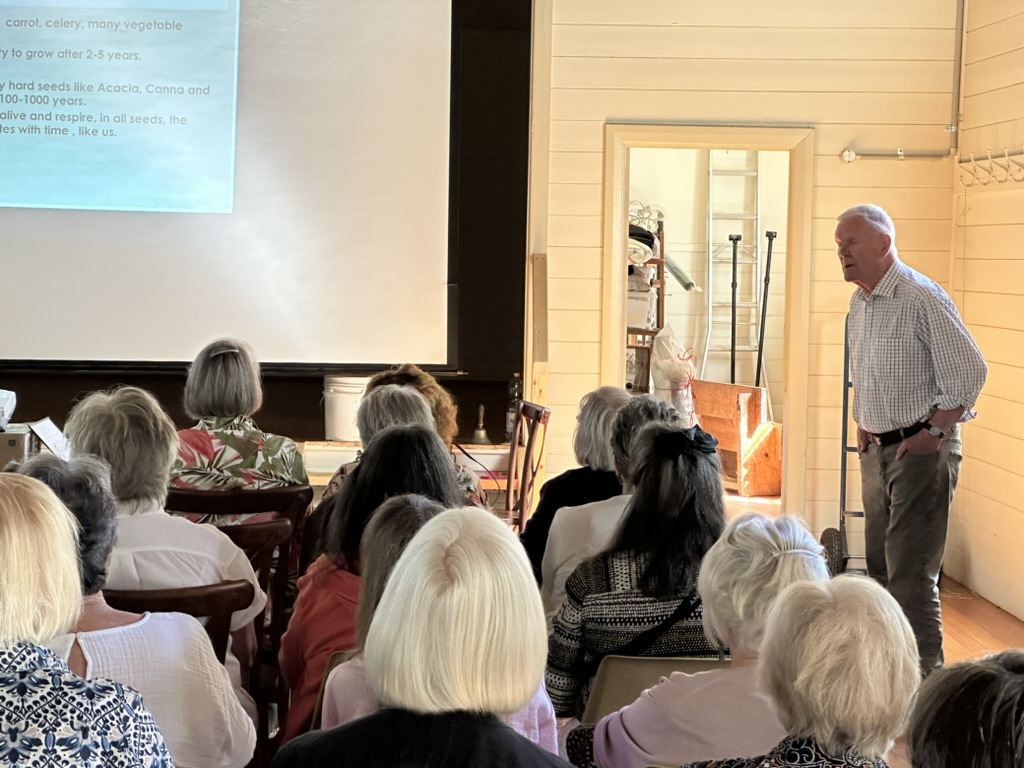
Neil Hallam – Seeds
Neil has had a long and distinguished career as a botanist at the Melbourne School of Botany, an independent international researcher in the UK and Associate Professor in Biological Sciences at Monash University. After retiring from university life, his professional endeavours continued by teaching mature aged students in the Diploma of Conservation and Land Management at Rosebud.
Summary of his presentation:
Unlike the reproductive eggs of humans and other mammals that live in an aqueous environment, seeds form the reproductive mechanism of plants and are dormant in their dry phase.
Dry seeds are alive and respire.
Over time, dry seeds age, meaning that their DNA deteriorates. However, very hard seeds like the acacia and lotus, remain viable for a 1000 years.
Water enters the seed via a microscopic hole.
Within 4 hours, cells begin to divide and germination starts.
Once germination has begun, you cannot reverse the process and unless given the correct environment for continued growth, the seed will die. This is why it is important to continue watering regularly while the seed emerges from the soil and the plant develops.
A seed always knows which way to send its roots and which way to send its stalk.
Neil left us with a philosophical conundrum: “How old is a lotus plant that germinates from a 1000-year-old seed???”
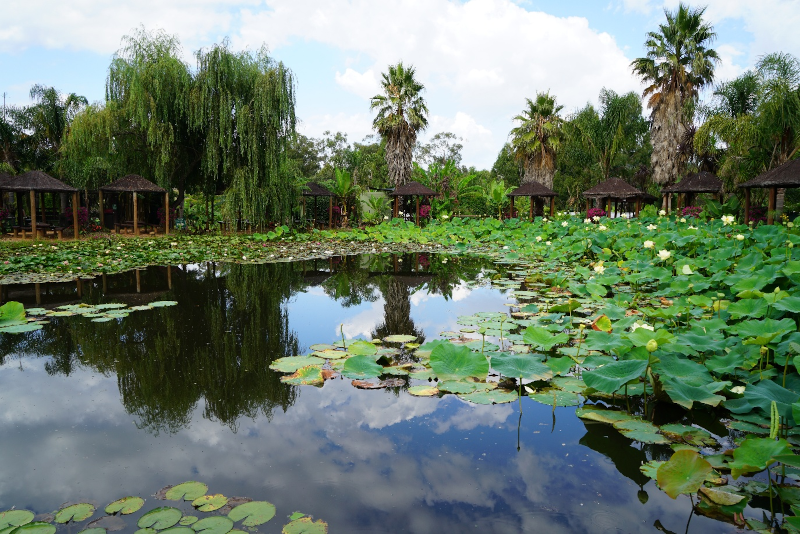
As soon as we walked through the reception area of the Blue Lotus Water Garden we were welcomed into a wondrous world,
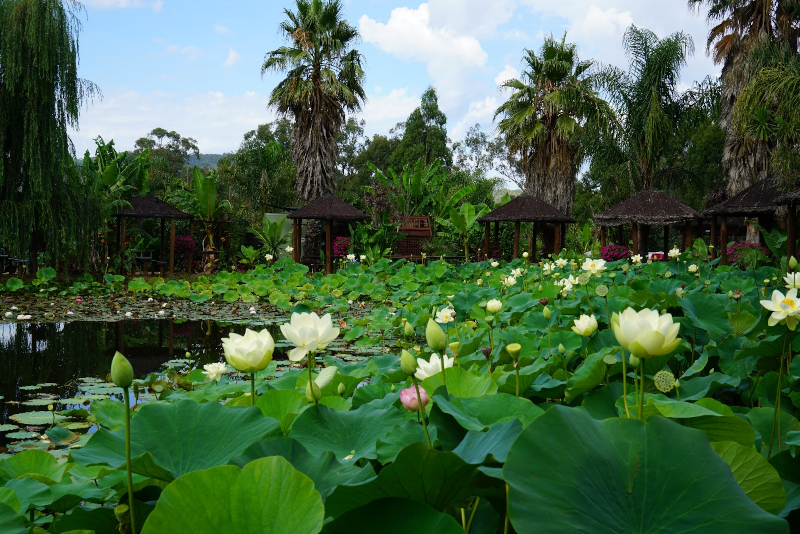
Geoff and Yvonne Cochrane purchased the land from Geoff’s father (a dairy farmer) in the late 1960’s to start a vegetable farm. After trialing different vegetables, Geoff concentrated on growing wombok (Chinese cabbage) until 1990.
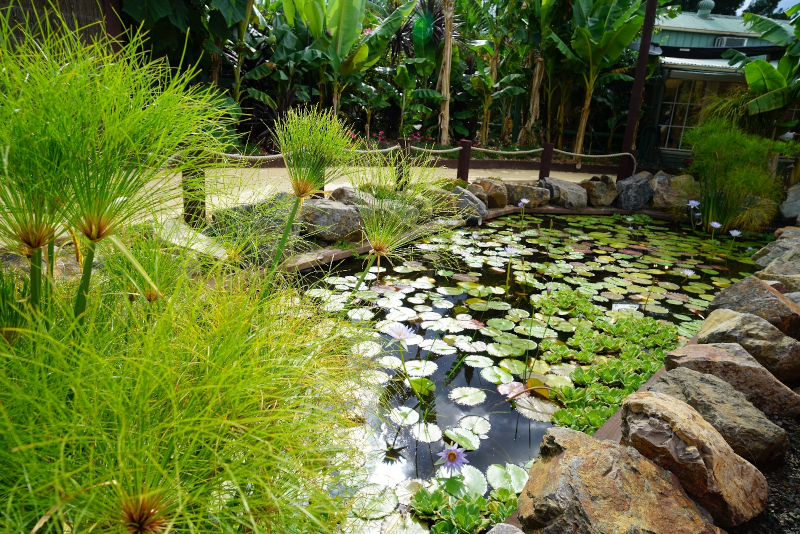
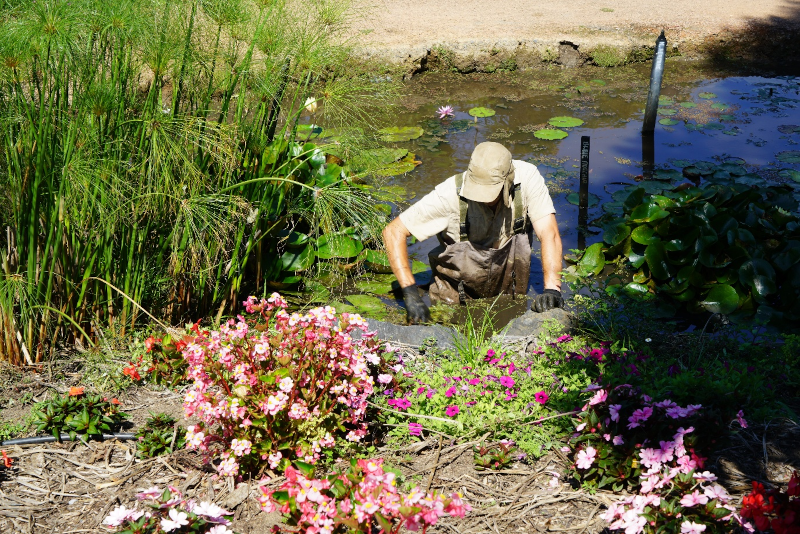
In 1991, Cochrane Lake was constructed to provide recreational opportunities for his young family. Geoff and his sons were passionate anglers and stocked the lake with trout and native fish. Geoff decided to turn the property into a recreational fishing venue by constructing a second lake. To overcome the fish being eaten by water birds, Geoff planted waterlillies and some lotus, to give the fish protection as well as to oxygenate the water and improve the esthetics.
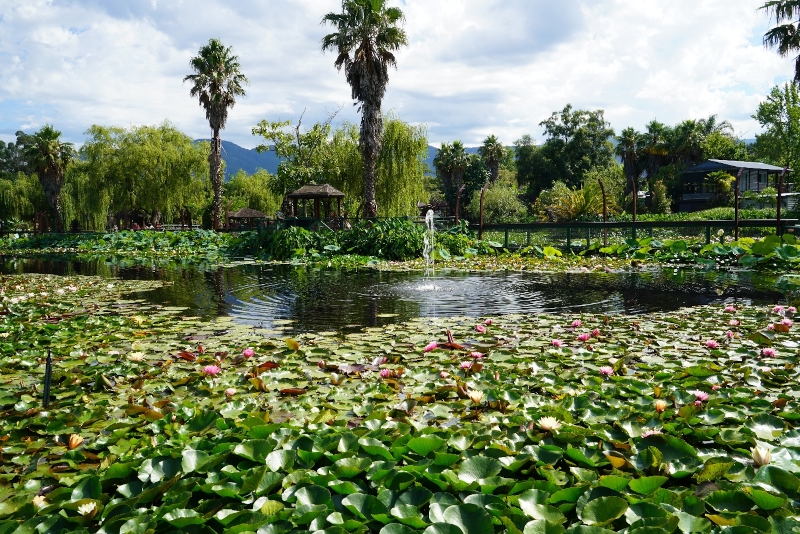
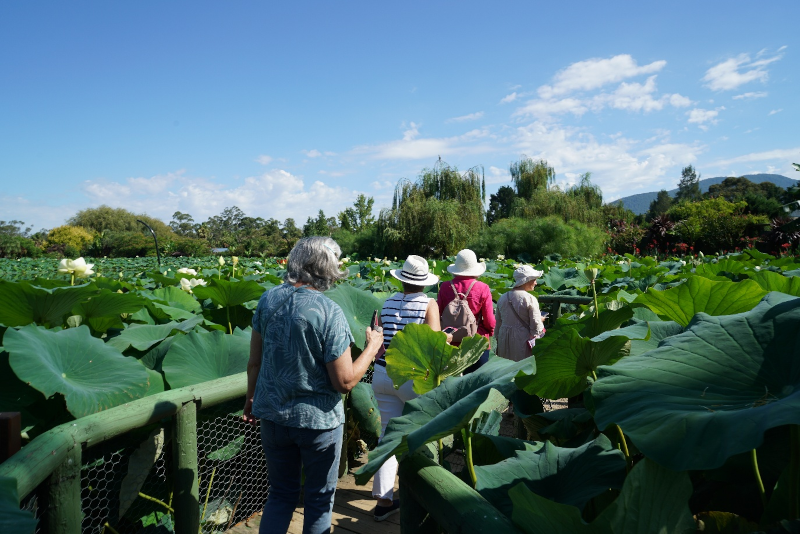
Meandering the paths, we were immersed in the tranquil reflections of the blue sky, framed by lotus. Lotus plants (Nelumbo nucifer) are found on every continent except Antarctica. In cooler climates, the lotus plants become dormant during winter, shedding all their leaves and flowers. At the Yarra Junction, the lotus plants are at their best and open to the public, only from 26th December to late April each year.
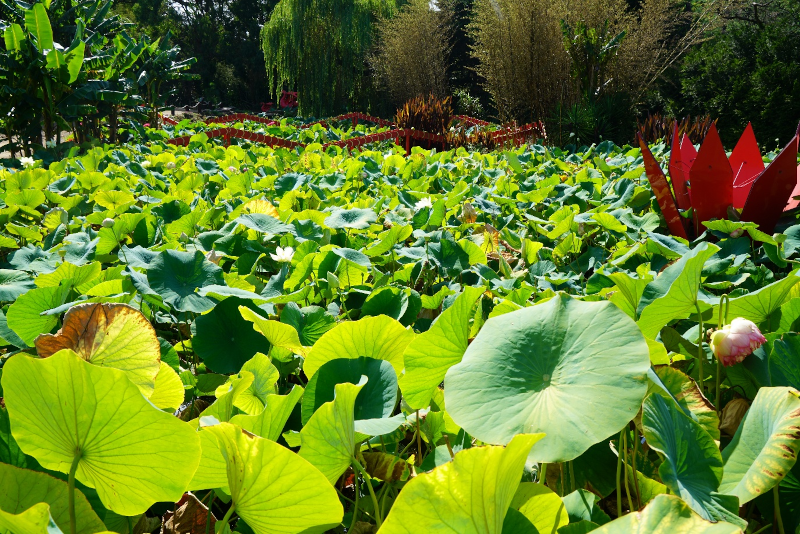
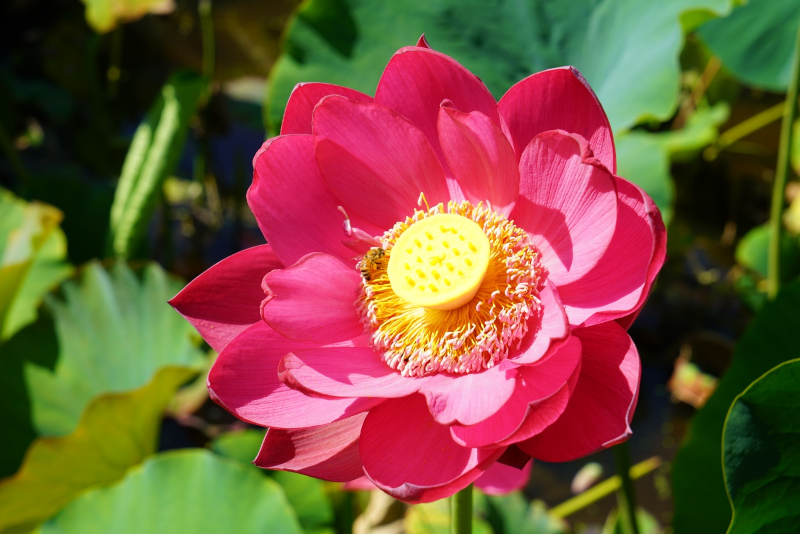
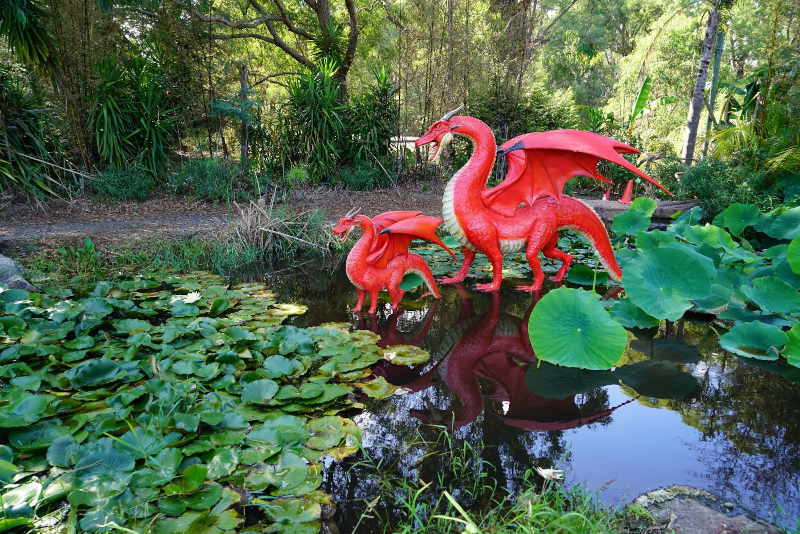
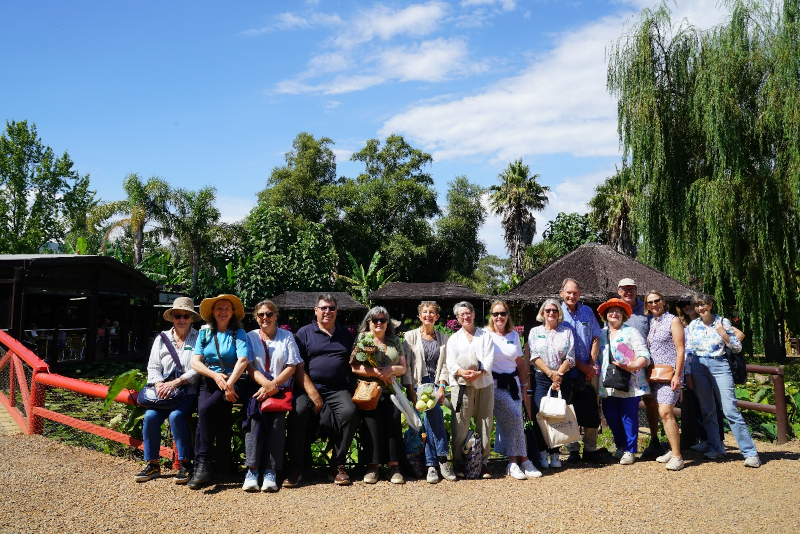
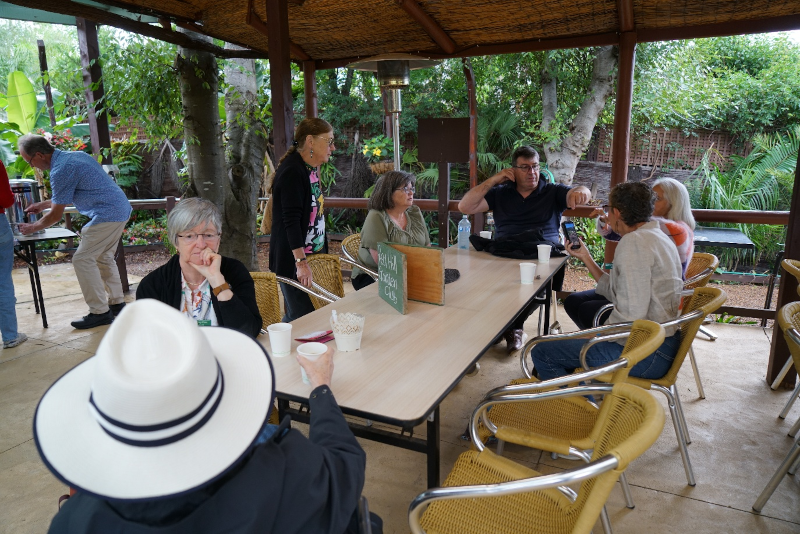
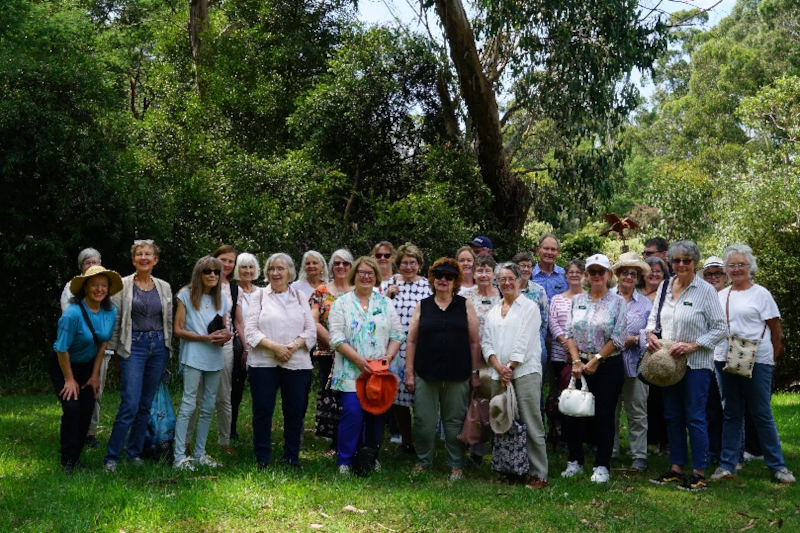
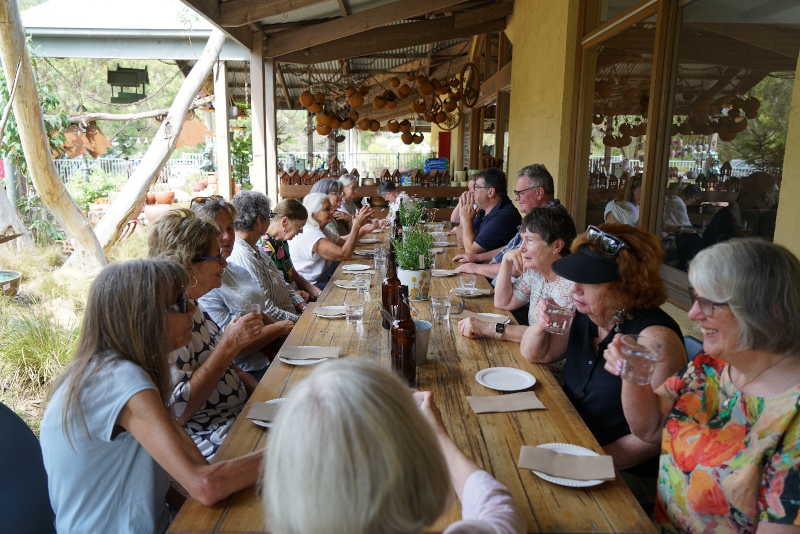
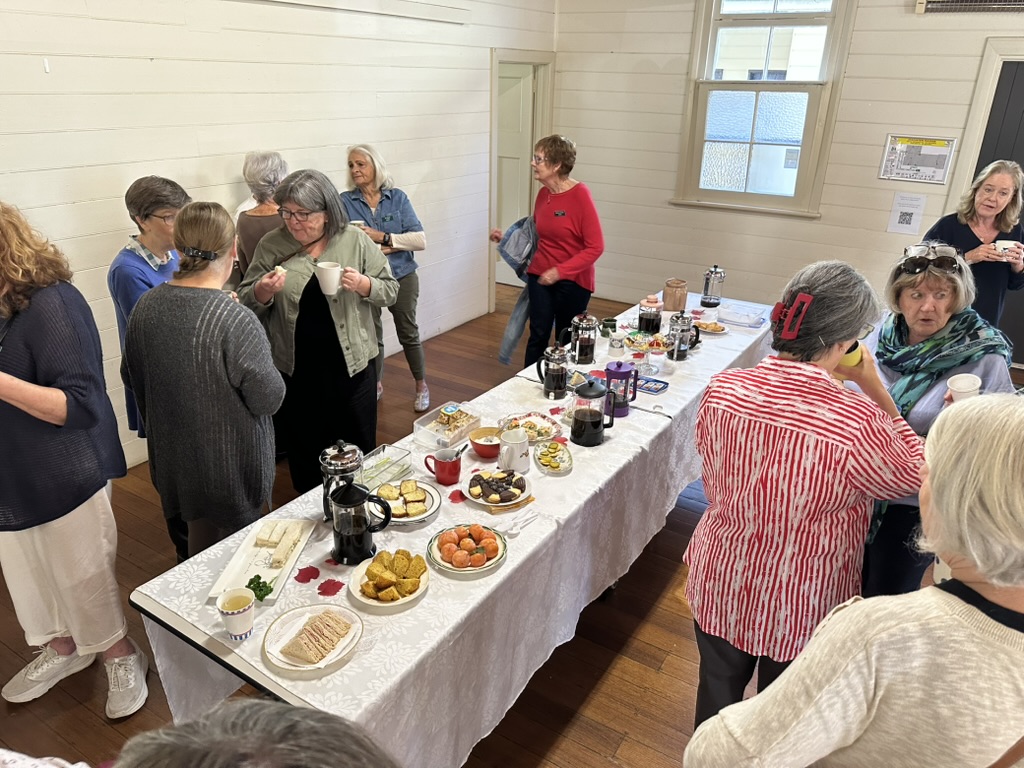
Not only were our appetites whet by the impressive scenery, we helped ourselves to morning tea. Christine Lowe, our president, tactfully welcomed our group with a brief history of the Lotus Garden. Then, we were off and away, free to explore the multitude of features that the 14 acre site encompassed.
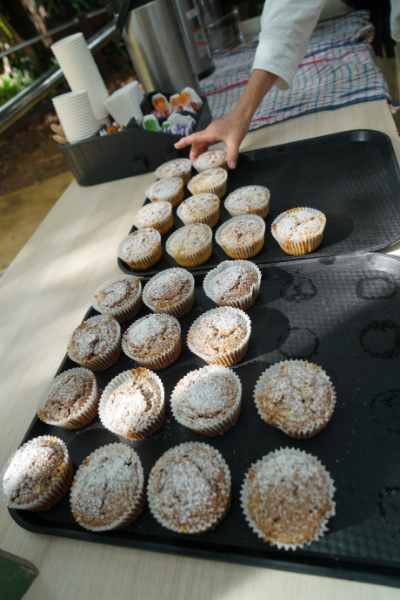
One by one, the muffins were consumed!
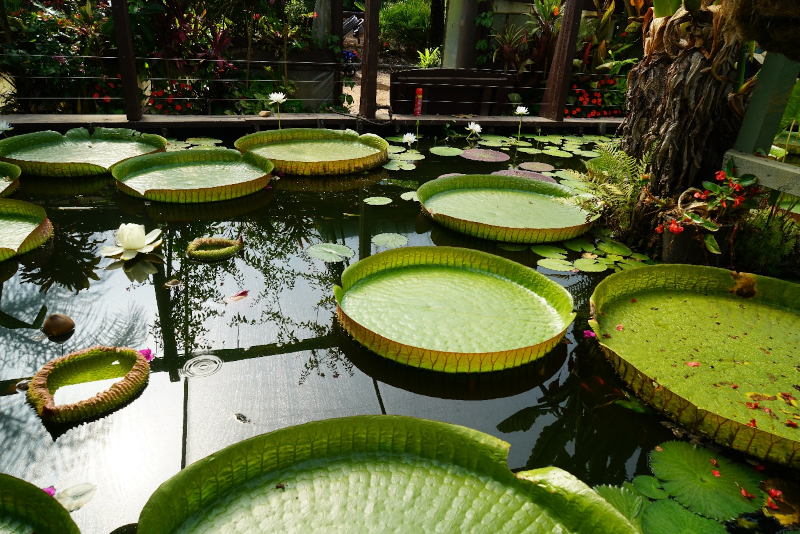
Giant Amazon waterlily pads (Victoria cruziana) which Geoff has propagated annually since 2005. The largest he grew, measured 175 cm, a record in Australia.
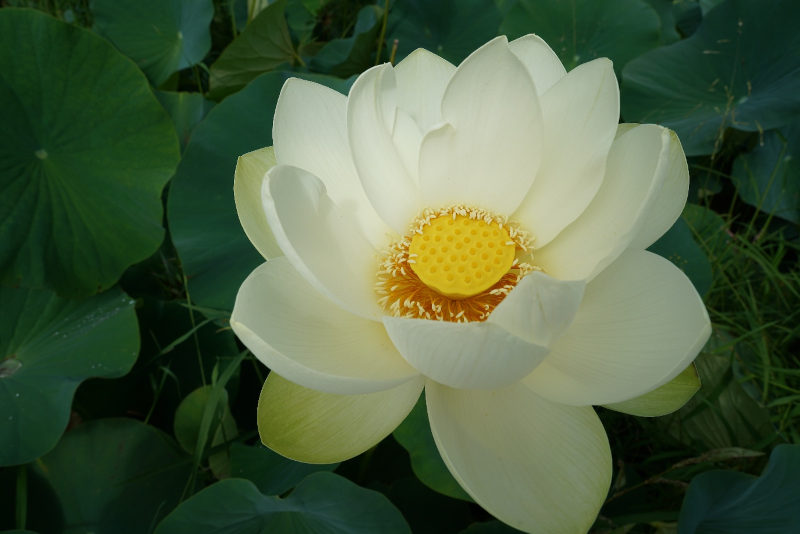
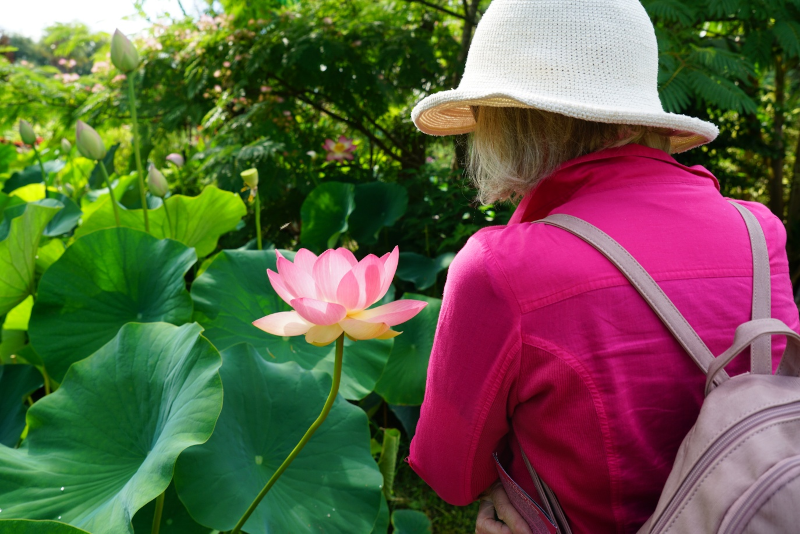
Lotus (Nelumbo nucifer) displaying elegance in symmetry
Within a few years, Geoff mastered the growing and propagation of waterlilies and lotus. In 2001 Geoff decided to turn the property into a water garden and plant nursery, adding more ponds, walking tracks and bridges. He planted tens of thousands of flowering plants, trees and shrubs. The Blue Lotus Water Garden and plant nurser officially opened to the public in 2005.
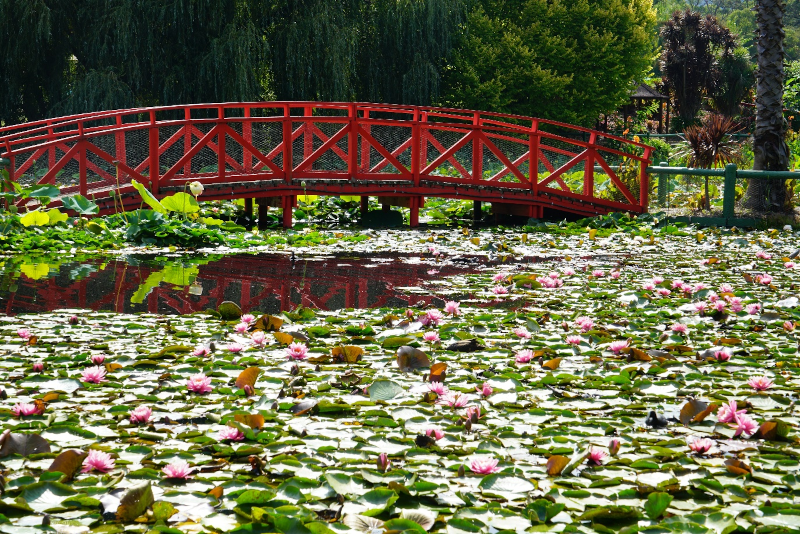
Over 20 bridges have been constructed at the Blue Lotus Water Gardetns.
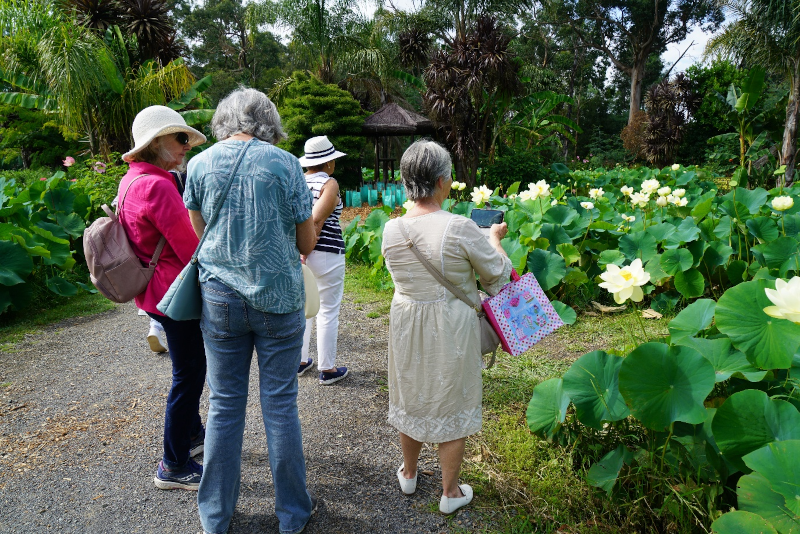
Capturing the moment, preserving the experience! The graceful lotus flowers emerge above the large elephant lobed leaves.
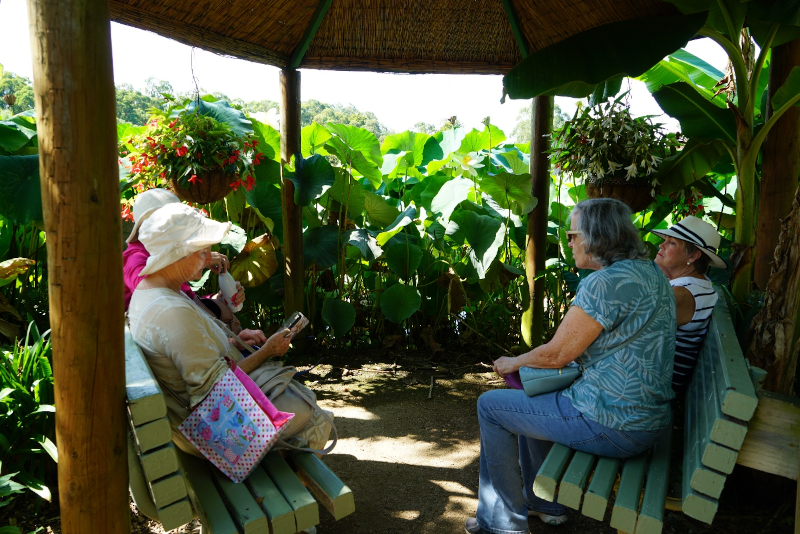
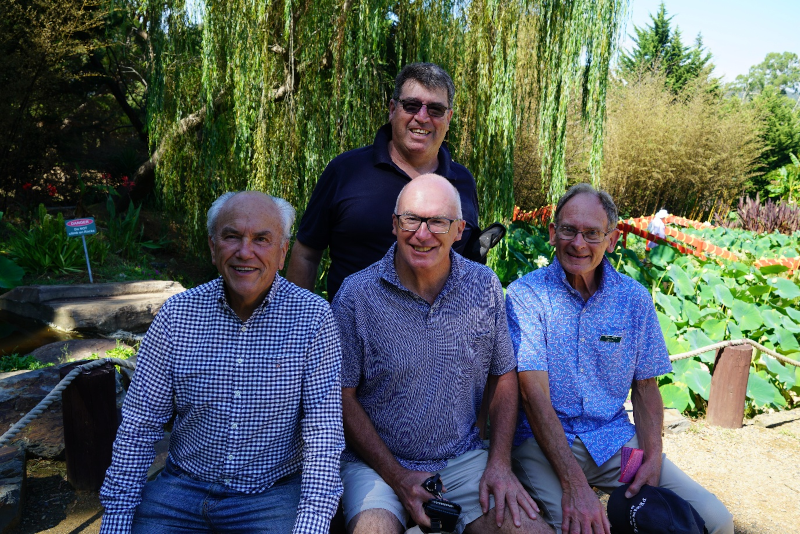
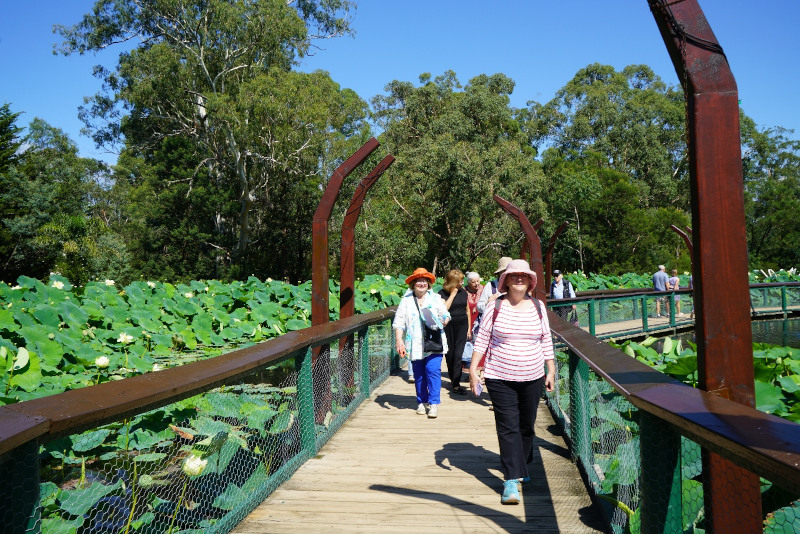
Shoulder high lotus leaves hug this section of the walking path.
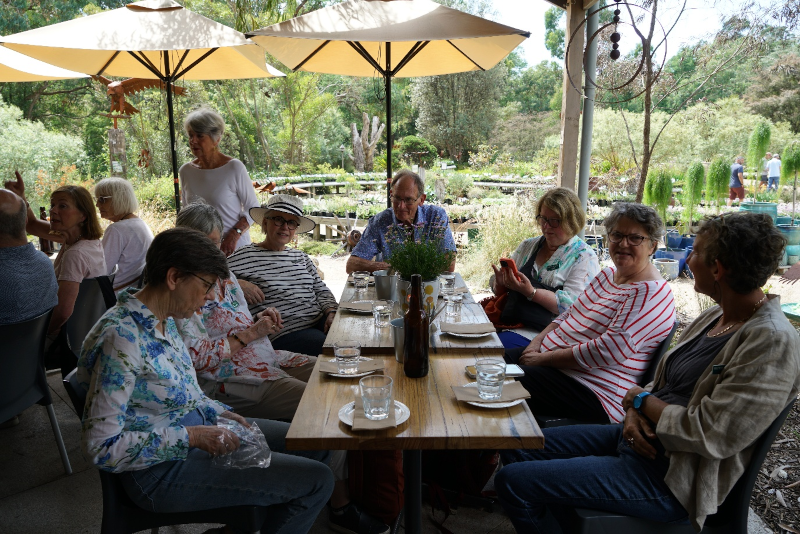
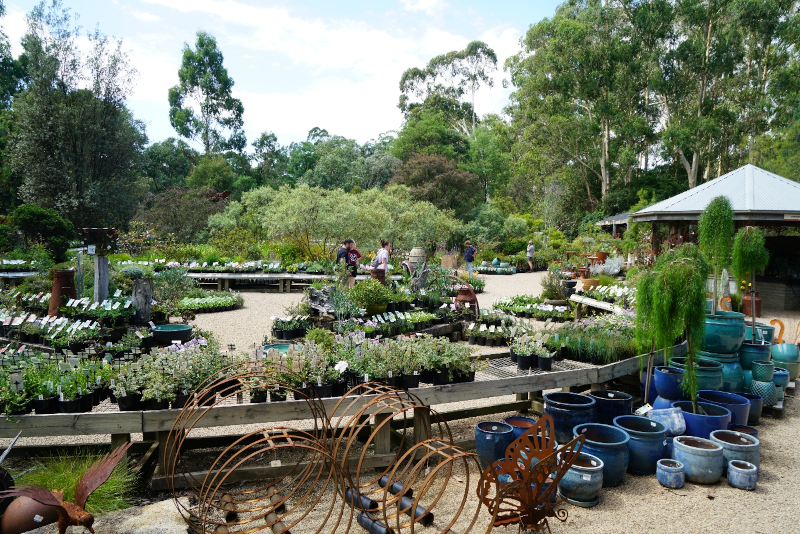
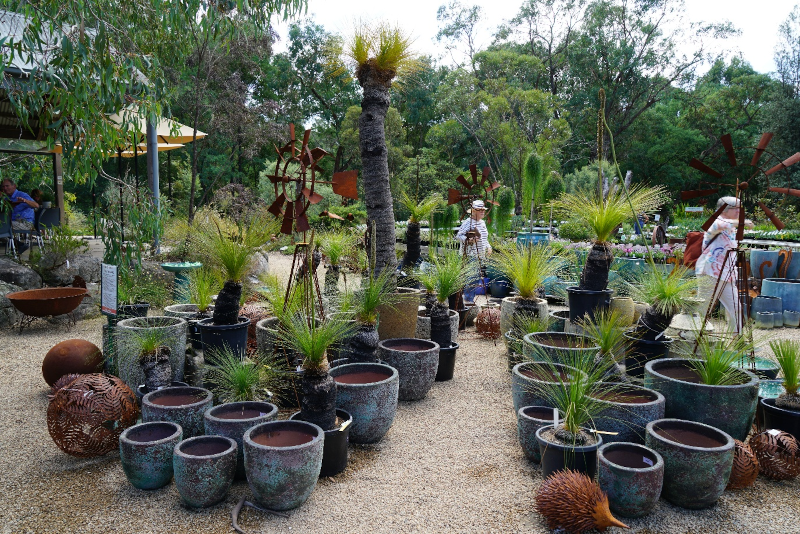
???
Date ???
Comments ???
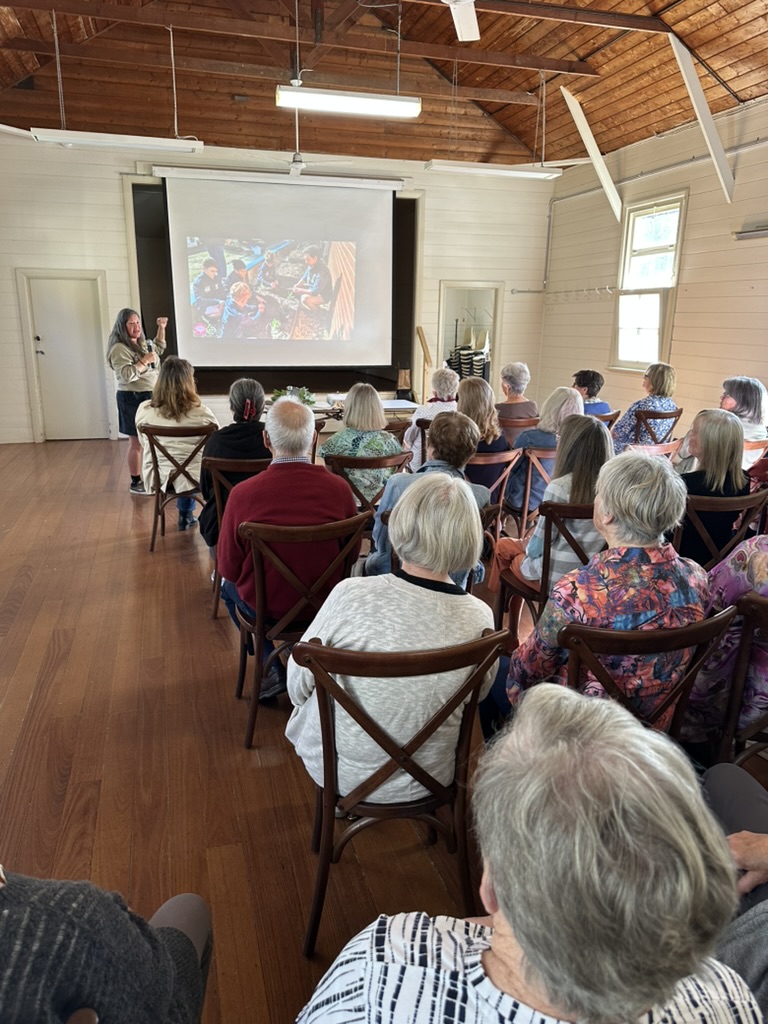
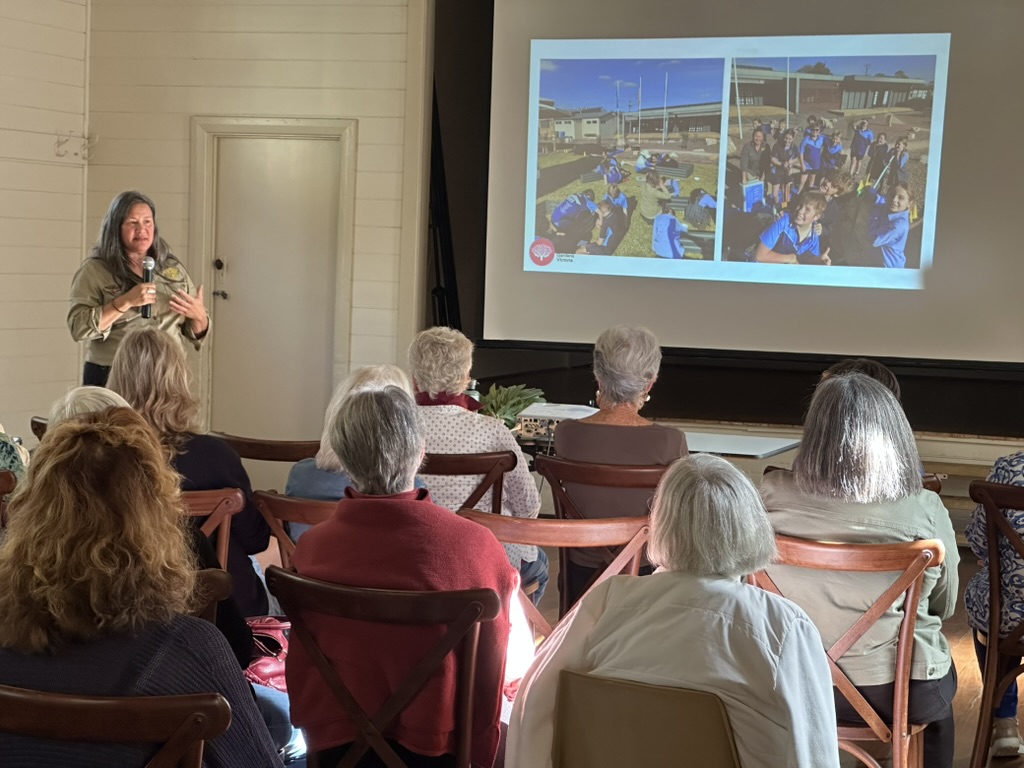
Tash van Velzen – Raising Rarities Officer, RBG Cranbourne
Tash van Velzen spoke passionately about the externally funded program that she and her colleagues, Meg and Mat are involved in. They successfully ran a trial program in two schools in 2023. By 2026 they had expanded to 17 schools. The program necessitated conducting field research whereby endangered plants were regularly monitored in the natural environment to find out whether certain populations of plants were ‘happy and stable’, ‘expanding’ or ‘contracting’. Plants that were identified as ‘contracting’ were included in the ‘Raising Rarity Program’ at a number of schools in Melbourne and country Victoria. There were six phases in the program.
- Students at participating schools were introduced to rare native plants, indigenous to their environment, that were identified ‘in decline’, in a ‘species discovery day’.
- Students were involved in setting up garden beds from scratch, filling them with local soil, learning about Ph and soil temperature.
- Planting the seeds in a grid formation.
- Observing the germination and growth of the seeds.
- Keeping records of the plant’s development through to flowering.
- Celebrating the seed harvest.
Tash and her team produced a ‘Phrenology flip chart’ that guided students each step of the way to ensure that the seeds were harvested when they had fully matured.
The harvested seeds went into a bank that was used for translocation projects in extreme circumstances.
Tash highlighted that the program has the potential to actually influence students in changing their subject choices from the arts and humanities to the sciences.
Tash and her team have featured on Gardening Australia, participated in an Evaluation Report conducted by Monash University and have been awarded the Botanical Gardens Australia and New Zealand (BGANZ) Industry Award in 2025 for Education and Public Engagement.
By Radmila Milanko
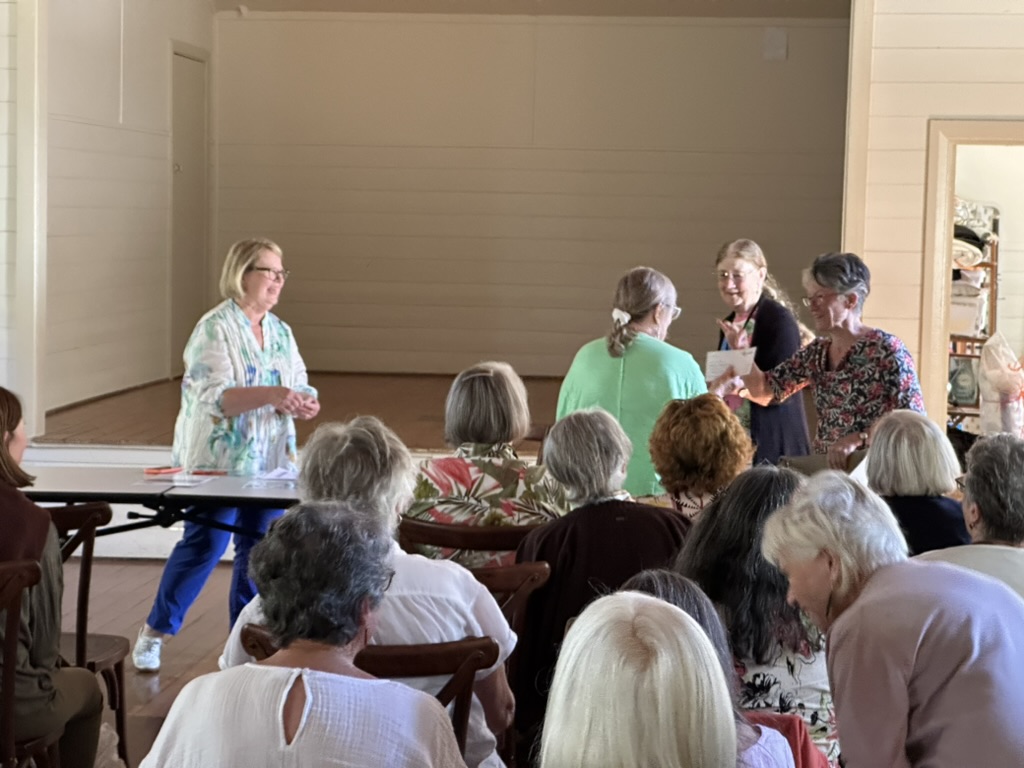
Red Hill Gardening Society Award for 2025
Dromana College Scholarship Recipients
Bradley Hollis received the Red Hill Gardening Society Award for his work ethic when
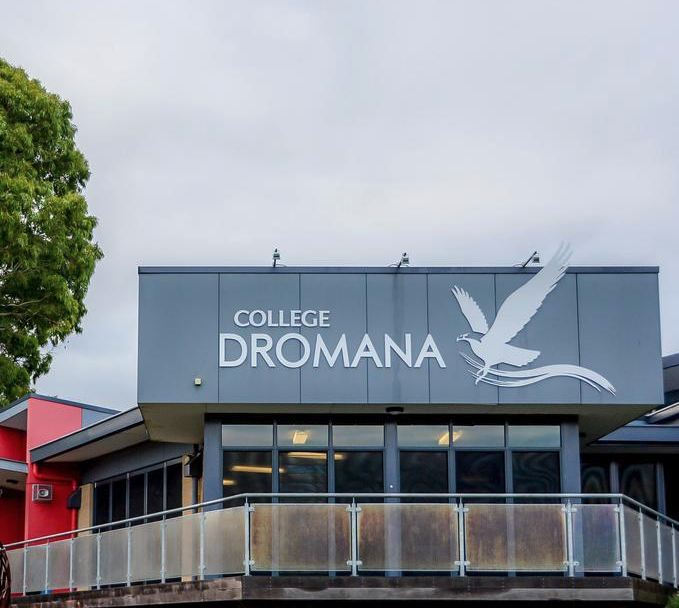
working hands- on, creating landscapes and garden areas for the students to enjoy. Bradley studies landscaping and turf laying as his Vocational Major Work Placement
Tulli White also received the Red Hill Gardening Society Award for his overall effort and attitude. The way he conducts himself with teachers and peers, and for always acting with integrity and giving his personal best.